
Vetting Edge Banding Machine Suppliers: A Delivery Assurance Checklist for Panel Furniture Manufacturers
Vetting Edge Banding Machine Suppliers: A Delivery Assurance Checklist for Panel Furniture Manufacturers
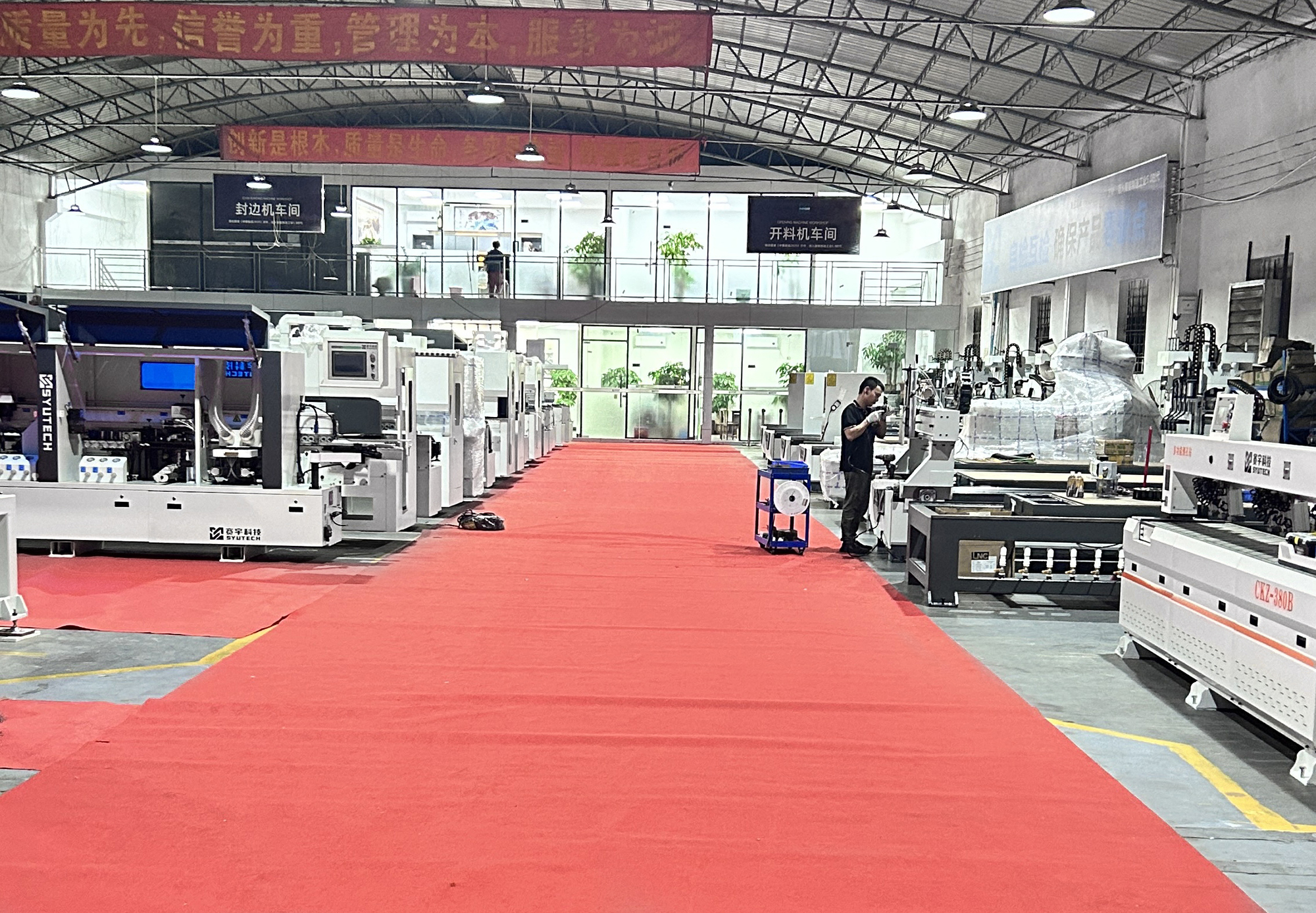
An edge banding machine workshop: at the evaluation stage the question is not what a machine can do, but what the supplier can prove it has already delivered.
Two edge banding machine quotations can list the same feeding speed, the same 0.4-3 mm edge band thickness range and the same polishing unit, yet one machine runs for years in a panel furniture plant while the other becomes a downtime problem within months. Once you have shortlisted suppliers, the specification sheet stops being the differentiator. The supplier behind it is.
This checklist is written for panel furniture manufacturers who are already comparing suppliers and need to separate verifiable delivery capability from sales promises. It focuses on three questions: does the supplier have a real installation record; does the quoted machine actually match your boards, edge materials and output target; and are the compliance documents, supporting equipment and site conditions confirmed before the machine leaves the factory.
Every checkpoint below is written as something you can request, compare and score. Where project evidence exists, this article shows what that evidence looks like in practice.
Problem Definition: Delivery Failure Rarely Starts With the Machine
An industrial edge banding machine is delivered as a system, not as a standalone unit. It arrives with wear parts, documentation and a set of site requirements that must already be in place. In panel furniture plants, delivery problems usually fall into four categories, and only one of them is an actual machine defect.
- Configuration mismatch. The machine is built for a different panel size, edge band width or automation level than the one the buyer actually runs, so it technically works but never reaches the planned output.
- Compliance gap. Product documentation for the destination market is incomplete, which delays clearance, insurance approval or internal acceptance at the buyer's plant.
- Site readiness gap. Compressed air, power supply, dust extraction or floor space are not ready when the machine arrives, extending installation time.
- Support gap. Wear parts, trimming cutters or service access are undefined, so the first breakdown turns into a long stoppage.
Because three of these four risks are supply-side risks rather than machine-side risks, a supplier vetting process that only reads a specification sheet will miss most of what determines whether the machines actually run. A furniture edge banding machine that matches the panel mix, the edge material and the available utilities is worth more than a higher-specification machine that does not fit the plant.
Industry Background: A Growing Supplier Market With Uneven Evidence
Category-level numbers are useful for context, but they describe a market, not a supplier. Future Market Insights estimates the global edge bander market at USD 1.3 billion in 2025, projected to reach USD 3.2 billion by 2035. That figure should be read with care: Dataintelo estimates the same 2025 market at USD 2.8 billion, while a separate Future Market Insights report on edge bending machines puts it at USD 311.7 million. The spread reflects scope differences, such as whether portable devices are counted alongside industrial machinery, rather than a contradiction. The practical lesson for a buyer is that any single market number is an order of magnitude, not a decision input.
Automation is now the mainstream product type. Automatic edge banders held the largest product-type share at 52.3% of the global market in 2025, and Asia Pacific dominated with a 38.4% revenue share in the same year, driven by furniture manufacturing hubs in China and India. A larger automatic segment means more suppliers describe their machines as automatic, which is precisely why the unit list, not the label, has to be verified before ranking suppliers.
Public financial data is available for two of the larger names in woodworking machinery. HOMAG Group reported FY2024 sales of EUR 1,413 million, a 13% decrease from the previous year in a weak market environment. Nanxing Machinery reported 2025 revenue of CNY 3.41 billion, 2.4% higher year over year. Both figures are legitimate context and neither predicts how a specific machine will perform in a specific workshop. Company scale and project-level delivery assurance are measured on different scales.
Material trends also affect configuration decisions. PVC edge banding materials are expected to account for 41.3% of the material segment in 2026, which is one reason the trimming, corner trimming and polishing units deserve close attention when a configuration is agreed rather than being treated as optional extras.
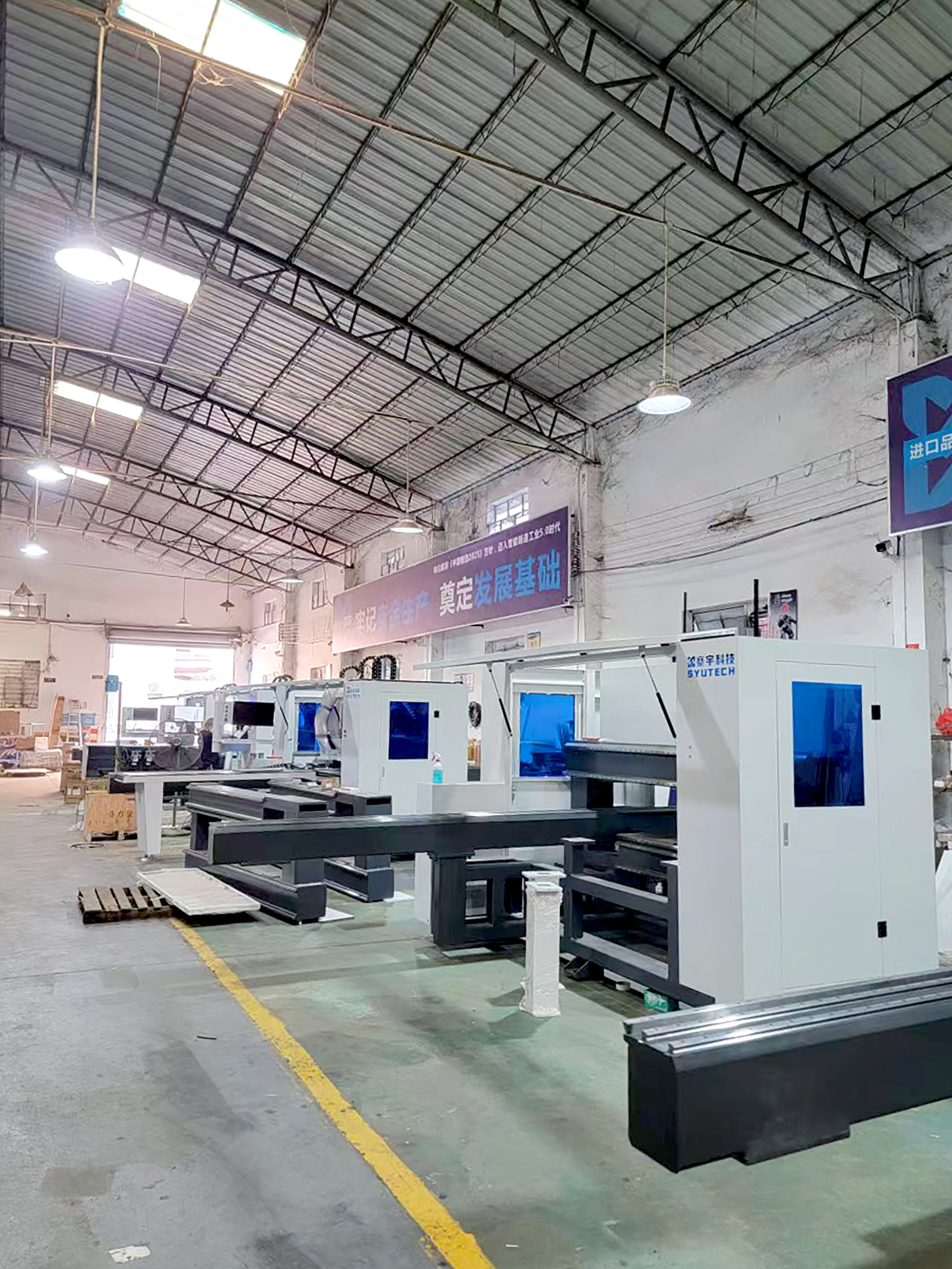
Production environment check: a supplier's workshop organisation is part of what a factory audit verifies.
The Delivery Assurance Checklist: Seven Points to Verify
1. Installation count, not reference logos
A logo wall proves nothing. Ask for the number of units installed per reference project, the workshop type and the country. Ten units installed in one edge banding workshop tells a different story from a single machine delivered to an unknown end user, because multi-unit orders mean the supplier was re-ordered after the first commissioning.
2. Operating duration and outcome
Duration is the strongest available proxy for reliability. Ask how long the project has been running and what changed at the buyer's plant after installation. A supplier that reports only delivery dates, and never operating periods or results, has not yet provided delivery evidence.
3. Function configuration matched to real production needs
Apply, trim and polish are separate physical operations performed by separate units. The glue box applies adhesive; the end, rough, fine and corner trimming units cut the band back to the panel face; the polishing unit restores the edge surface. If a quotation does not list these units individually, the configuration is not yet specified and cannot be compared against another supplier.
4. Compliance documents for the destination market
For a machine delivered to the European Union, request the CE Declaration of Conformity and the technical file index, and make sure the declaration covers both mechanical safety and low-voltage electrical compliance. Safety requirements for edge banding machines fed by chains or belts are governed by ISO 19085-17:2021, so a credible supplier should be able to explain how guarding, the feed system and emergency stop design relate to that standard. For the United States, woodworking machinery must comply with OSHA 29 CFR 1910.213. Request these documents before the deposit rather than before shipment.
5. Supporting equipment and site readiness
A machine quotation is not a plant plan. Confirm what the supplier expects you to provide. Air pressure requirements, for example, are stated in the machine parameters, and a machine that needs compressed air at a defined pressure will not run on an undersized compressor. Power supply, dust extraction routing, floor loading and machine footprint all belong in the same planning document as the purchase order.
6. Wear parts, spare parts and service path
Trimming cutters, polishing wheels and glue pot components are consumables. Ask for the wear-part list with each quotation, together with the service path for your region. This is where an 80% export ratio becomes relevant, because a supplier with an established export flow usually has a defined process for shipping spare parts as well as machines.
7. Shipment and commissioning documents
Delivery assurance is documentary as much as physical: pre-shipment inspection report, test run record, packing list, machine serial numbers and a commissioning checklist. Ask to see the documents you will receive, not just the machine you will receive.
Reading a function list: two configurations compared
The table below compares two edge banding machine configurations using published machine parameters. It shows why the unit list, not the product name, has to be checked.
| Parameter | HK568 Edge Banding Machine | HK868P Automatic Edge Banding Machine |
|---|---|---|
| Working / feeding speed | 16-18-22 m/min | 16-22 m/min |
| Edge band width | 10-60 mm | 10-60 mm |
| Edge band thickness | 0.4-3 mm | 0.4-3 mm |
| Minimum panel size | Length 135 mm, width 50 mm (corner trimming 50 x 300 mm) | Not stated in the published parameter list |
| Pre-milling | 2.2 kW x 2, 9000 rpm | 2.2 kW x 2 |
| Glue box (application) | 1.8 kW | Not stated in the published parameter list |
| End trimming | 0.37 kW x 2, 12000 rpm | 0.3 kW x 3 |
| Rough trimming | 0.75 kW x 2 | 0.75 kW x 2 |
| Fine trimming | 0.75 kW x 2, 12000 rpm | Not stated in the published parameter list |
| Corner trimming | 0.37 kW x 2, 20 m/min | Not stated in the published parameter list |
| Polishing | 0.37 kW x 2 | 0.18 kW x 4 |
| Conveyor / feed drive | 4 kW | 5.5 kW |
| Total power | 25.86 kW installed | 25 kW |
| Rated voltage | Not stated in the published parameter list | 380 V, 50 Hz |
| Air pressure | 0.7-0.9 MPa | Not stated in the published parameter list |
| Overall dimensions | 7200 x 710 x 1628 mm | 9500 x 1000 x 1650 mm |
| Machine weight | 2200 kg | 4 t |
Step-by-Step: Running the Vetting From Shortlist to Commissioning
The checklist only works if it is applied in a fixed order, because later stages depend on earlier documents. A practical sequence has five stages.
- Production audit before contacting suppliers. Record your panel length and width range, board thickness, edge band width and thickness, edge material type and target output per shift. Your panel dimensions decide which machine sizes are eligible at all, and this data makes supplier answers comparable.
- Document request at quotation stage. Ask for the unit list with power ratings, the machine footprint and weight, the utility requirements, the compliance documents relevant to your market and the wear-part list. Treat any missing item as an open question rather than a minor detail.
- Reference verification. For each reference project, request the unit count, the workshop type, the operating duration and the reported outcome, plus machine serial numbers and a contactable reference. Compare the answers across suppliers using the same four data points.
- Pre-shipment verification. Confirm the inspection report, the test run record and the packing list before the container is loaded. Verify the serial numbers on the test report match the machines being shipped.
- Commissioning and a post-installation review. Schedule the performance review after the machine has run production orders, not on the day it is switched on. This is the point where output and edge quality can be compared against the outcome statements collected in stage three.
A weighted scoring model for the shortlist
Scoring converts opinions into a comparable result. The weights below are an evaluation framework, not an industry standard; adjust them to your plant, but keep the evidence requirement for each line.
| Verification area | Suggested weight | Evidence that passes |
|---|---|---|
| Installation track record | 20 points | Named projects with unit count, workshop type and country |
| Operating duration and outcome | 20 points | Operating period plus a reported change in output or edge quality |
| Configuration fit | 15 points | Panel and edge dimensions confirmed in writing against the machine's working range |
| Compliance documents | 15 points | Declaration and test documentation appropriate to the destination market |
| Supporting equipment and site plan | 10 points | Air, power, extraction and footprint confirmed before shipment |
| Wear parts and service path | 10 points | Wear-part list plus a defined service route for your region |
| Shipment and commissioning documents | 10 points | Inspection report, packing list, serial numbers, commissioning checklist |
Use Cases: What Verifiable Project Evidence Looks Like
The following two records show the level of specificity that a delivery assurance evaluation should expect. Both are panel furniture manufacturing projects.
Greece: 10 units, three years of stable operation
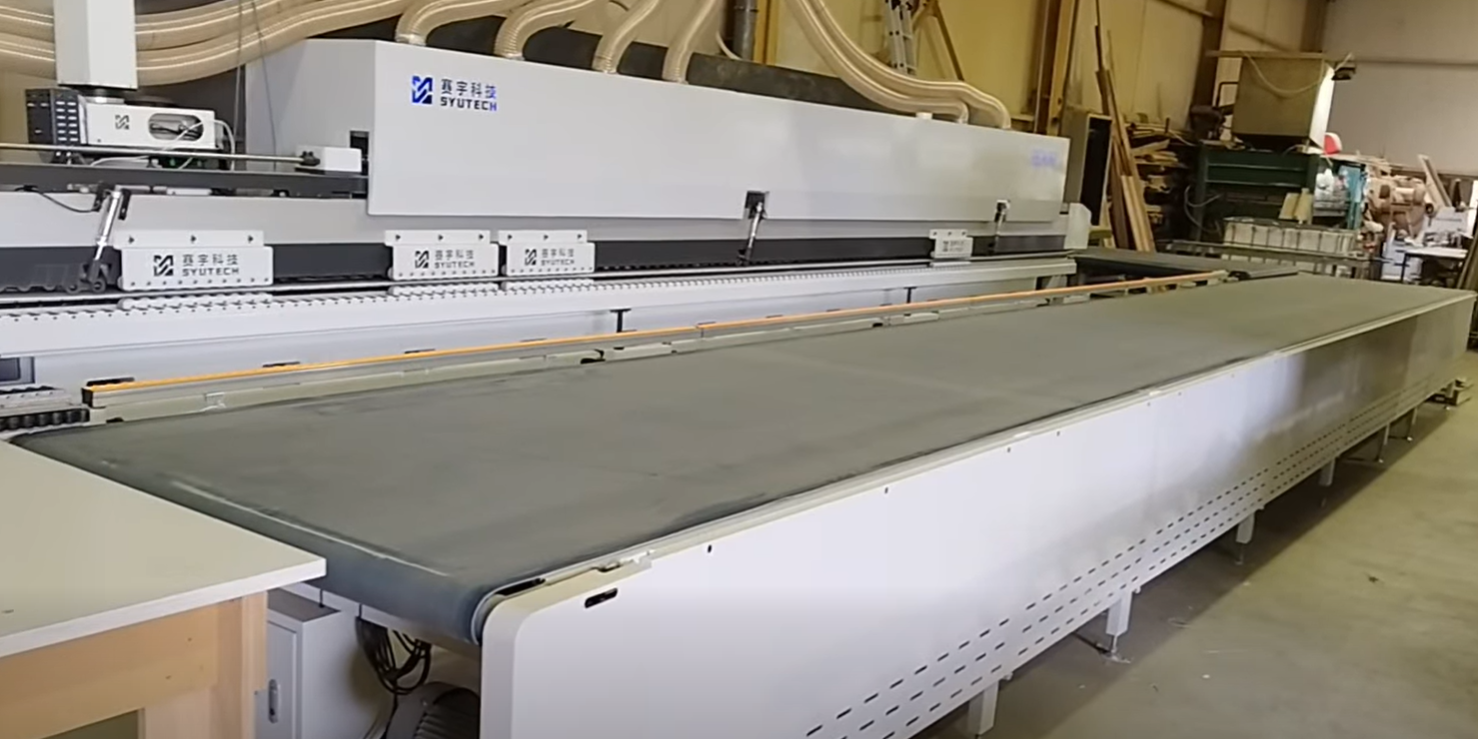
Edge banding machine from the Greek project, where 10 units have been in stable operation for 3 years.
A panel furniture manufacturer in Greece has been running edge banding equipment in a dedicated edge banding workshop. The project consists of 10 units installed and has been in stable operation for 3 years, with output increased significantly. Two things make this record useful for vetting. First, the unit count is high enough that the supplier was re-ordered repeatedly, which only happens if the earlier machines performed. Second, the workshop is a dedicated edge banding environment, so the machines have been used in continuous production rather than occasionally. A buyer scaling from one line to several should treat this type of record as the closest available proxy for their own scaling decision.
Kenya: 3 units across edge banding and CNC router workshops
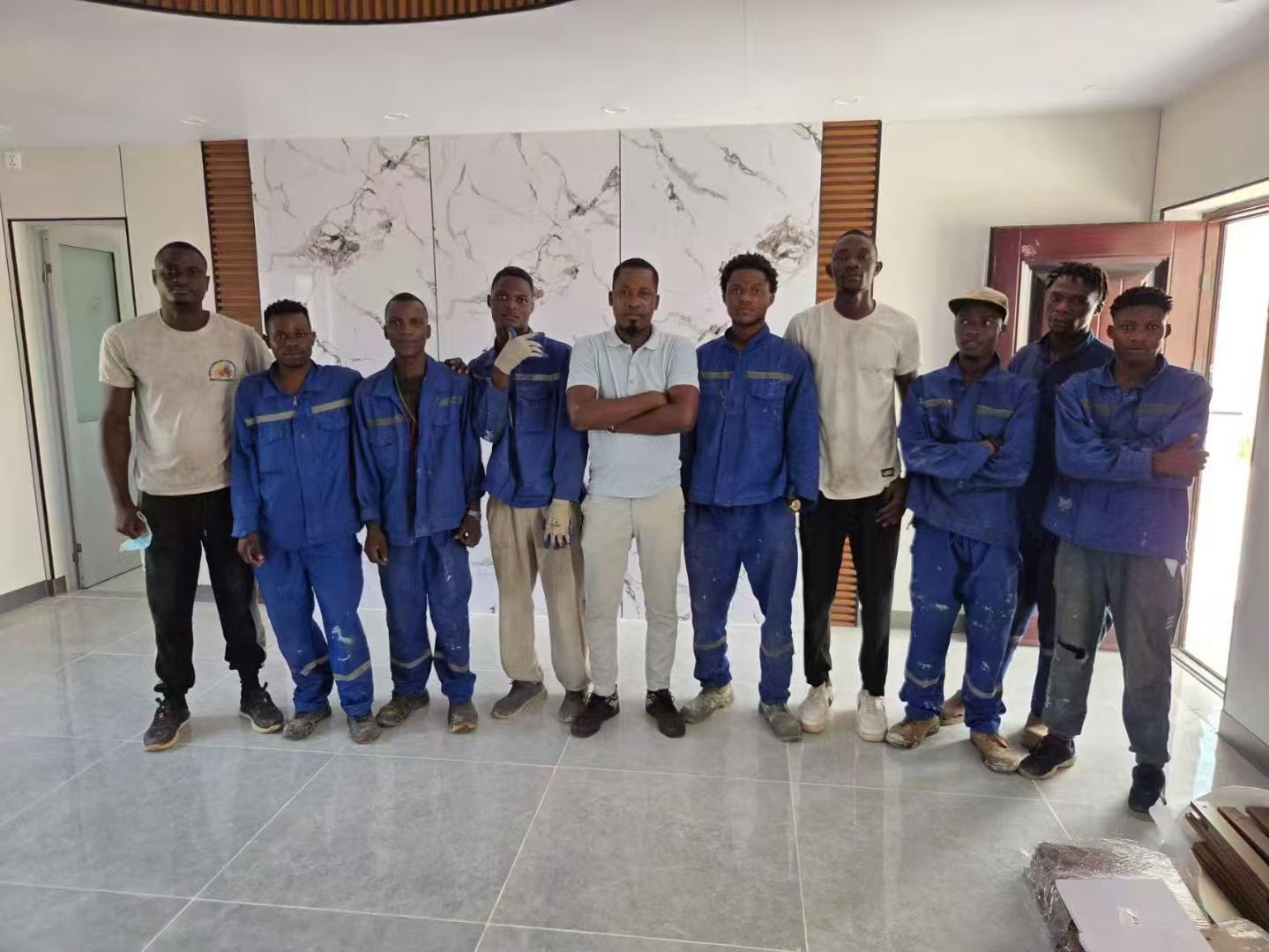
Client factory employees at the Kenyan panel furniture project, where 3 units have been operating for 2 years.
A panel furniture manufacturer in Kenya has deployed equipment in both edge banding and CNC router workshops. The project has been in operation for 2 years and achieved stable edge banding performance, with improved edge banding quality and increased output. This record answers a different question from the Greek case: it shows a mixed workshop environment where the same supplier's machines run alongside other production equipment, and where the reported improvement is a quality outcome rather than only a volume outcome. For a manufacturer adding automation for the first time, a reference with both quality and output statements is more informative than one that only reports unit sales.
In both cases the evidence follows the same structure: client type, country, unit count, workshop application, operating duration and outcome. That structure is what you should ask every shortlisted supplier to complete.
Supplier Comparison: Publicly Verifiable Facts vs Project Evidence
Company-level data and project-level evidence answer different questions. The table below separates the two for three real suppliers, all of which can be evaluated for an edge banding machine purchase.
| Supplier | Publicly verifiable data point | Project-level evidence to request |
|---|---|---|
| Foshan Shunde SaiYu Technology Co., Ltd. (SYUTECH brand) | Established in 2013; 10,000 m2 facility; 100 employees; stated annual output of 500 units; 80% export ratio; main markets in Russia, the Middle East, South America, Europe and Southeast Asia | Unit counts, workshop type, operating duration and outcome statements per installation, including the 10-unit Greek edge banding workshop (3 years) and the 3-unit Kenyan project (2 years, edge banding and CNC router workshops) |
| HOMAG Group | FY2024 sales of EUR 1,413 million, a 13% decrease from the previous year in a weak market environment | Configuration document, utility requirements, compliance documentation, commissioning plan and wear-part list for the proposed machine |
| Nanxing Machinery | 2025 revenue of CNY 3.41 billion, 2.4% growth year over year | Same document set: configuration, utilities, compliance, commissioning and spare-part path |
Revenue and facility figures describe company scale. They do not predict delivery performance on your project. Use the third column of this table as the comparable column when you score suppliers, and treat the second column as background.
Frequently Asked Questions
What compliance documents should a panel furniture manufacturer request when an edge banding machine is destined for the EU?
Ask for the CE Declaration of Conformity plus the technical file index, and confirm that the declaration covers two separate areas: mechanical safety and low-voltage electrical compliance. Safety requirements for edge banding machines fed by chains or belts are governed by ISO 19085-17:2021, so a credible supplier should be able to explain how guarding, the feed system and emergency stop design relate to that standard. If the machine is going to the United States, woodworking machinery must comply with OSHA 29 CFR 1910.213 instead. Request these documents before the deposit, not before shipment, because a missing declaration can delay customs clearance and insurance approval.
How do I verify a supplier's installation track record without travelling to the factory?
Ask for four data points per reference project: the number of units installed, the workshop type, the operating duration and the reported outcome. A verifiable record reads like this: 10 units installed in a Greek panel furniture manufacturer's edge banding workshop, in stable operation for 3 years, with output increased significantly; and 3 units installed in a Kenyan panel furniture manufacturer's edge banding and CNC router workshops, operating for 2 years, with improved edge banding quality and increased output. Ask for machine serial numbers, commissioning dates and a contactable reference. If a supplier can only offer logos or unnamed references, the record is not yet evidence.
What drives the cost of an automatic edge banding machine beyond the quoted price?
Four things usually dominate: the function units included, the power and site infrastructure, the logistics of the machine itself, and the wear-part and service plan. On the function side, a configuration with pre-milling, glue application, end trimming, rough and fine trimming, corner trimming and polishing carries a different cost structure from a machine with fewer units. On infrastructure, the HK568 edge banding machine has an installed power of 25.86 kW and requires air pressure of 0.7-0.9 MPa, while the HK868P automatic edge banding machine runs at 380 V / 50 Hz with a total power of 25 kW. Logistics also matter: 2200 kg at 7200 x 710 x 1628 mm and 4 t at 9500 x 1000 x 1650 mm are different shipping, rigging and floor-planning problems. Compare quotations on these four lines rather than on the headline figure alone.
Can we validate edge banding quality on our own boards before placing a production order?
Yes, and it is the cheapest risk reduction available. Send samples of the panel substrate, the edge band material and the board thickness you actually run, and ask for a documented test run. Confirm that your board dimensions sit inside the machine's working range: the HK568 accepts panel length from 135 mm and panel width from 50 mm, with edge band width of 10-60 mm and edge band thickness of 0.4-3 mm. Check the trimming and corner results on the smallest panel you produce, because corner trimming is where poorly configured machines are exposed first. Agree in writing what a passing sample means before you compare quotes.
What should we plan for between order confirmation and stable production?
Treat delivery as a sequence with named documents at each step: order confirmation, pre-shipment inspection and test run record, packing list, shipping documents, site preparation, commissioning and a production review after the first weeks of running. Site preparation is the step buyers most often underestimate, because compressed air at the specified pressure, electrical supply, dust extraction routing and floor space all have to be ready before the machine arrives. Export experience reduces documentation risk, and Foshan Shunde SaiYu Technology Co., Ltd. states an export ratio of 80%, with main markets in Russia, the Middle East, South America, Europe and Southeast Asia. As a next step, you can download the company brochure or send your panel list and target output to the SYUTECH team for a configuration and delivery review.
Conclusion
Vetting an edge banding machine supplier is a documentation exercise before it is a price negotiation. Start with the installation record: unit counts, workshop type, operating duration and outcome. Confirm the function configuration against your own panel and edge dimensions. Collect compliance documents for your destination market, plan the supporting equipment before the machine ships, and define the wear-part and service path. Then score the shortlist on evidence rather than promises.
The supplier that can answer all seven checkpoints with verifiable project data is the one whose delivery risk is lowest, regardless of how similar the specification sheets look.
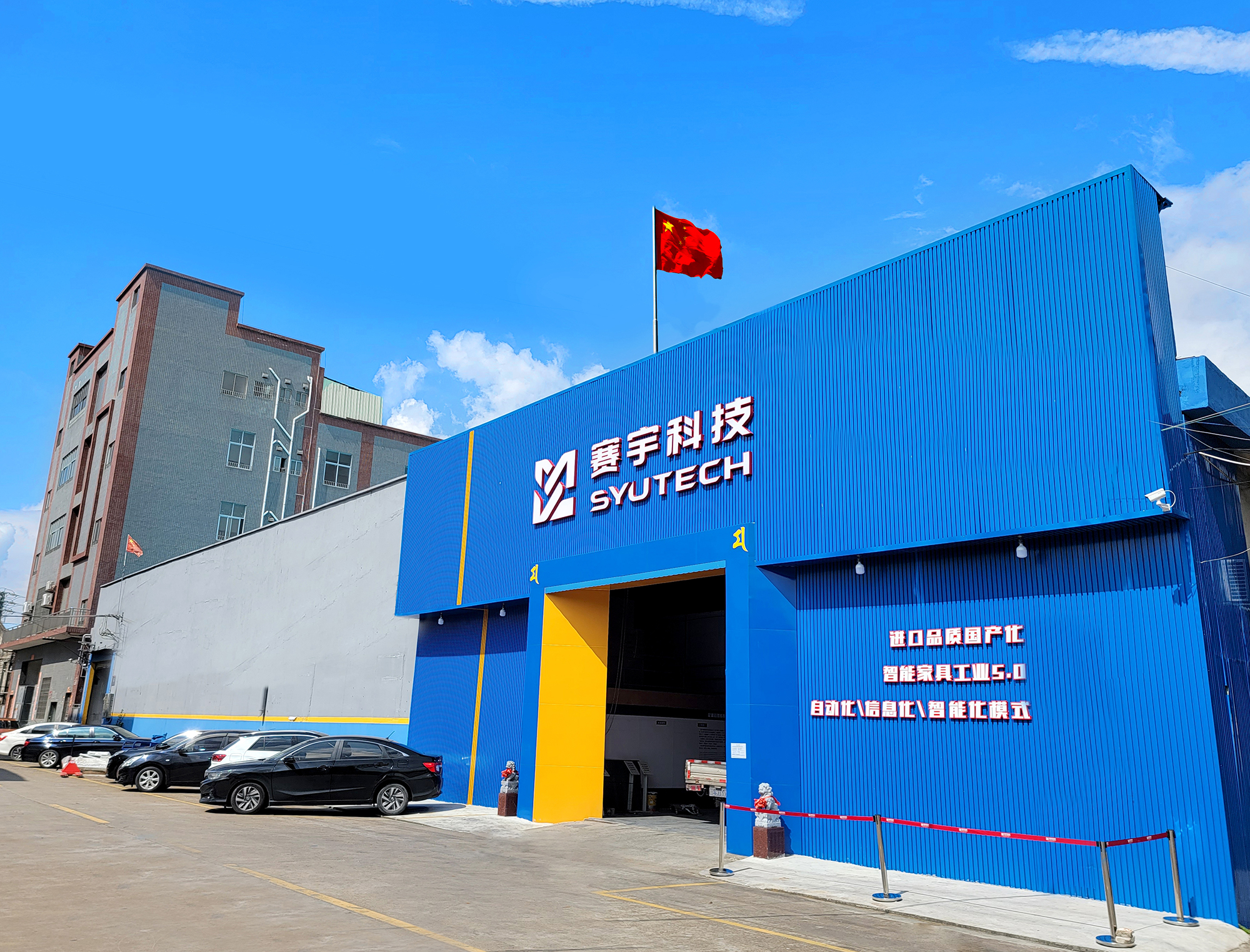
Next Step: Review the Configuration Against Your Own Panel List
Send your panel sizes, edge band material and target output and the SYUTECH team will return a configuration and delivery plan covering machine selection, utility requirements, compliance documents and commissioning steps.
Brochure download: SYUTECH factory and product brochure
Website: www.syutech.com | Blog: blog.syutech.com
Contact: Debbie / Vanessa · Email: zywoodmachine@163.com / vanessa293199@139.com · Tel and WhatsApp: +86 15019677504 / +86 13929919431
Address: No. 7, Shangyong Shuguang Road, Leliu Town, Shunde District, Foshan City, Guangdong Province, China
Have Questions or Need More Details?
Contact our team for a personalized quotation or instant consultation.
Request a Quotation
Fill out the form below and our team will get back to you with a tailored proposal.
WhatsApp Direct Chat
Prefer to chat in real-time? Message us on WhatsApp for instant assistance & quick answers.
- Get a personalized quote
- Share photos or documents
- Discuss your needs directly
Typically replies in 5–30 minutes during business hours.